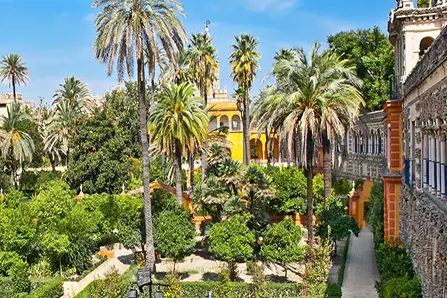
Palace of King Don Pedro
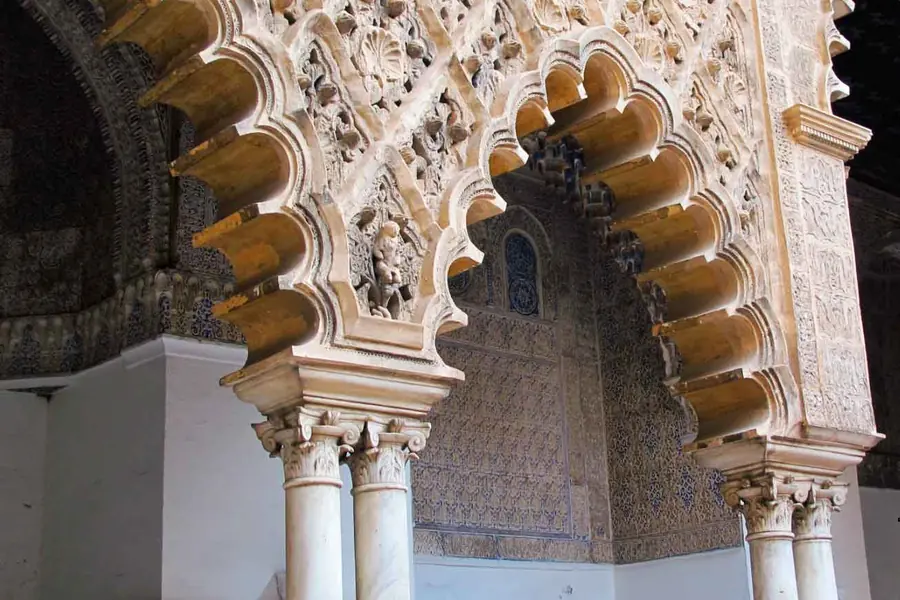
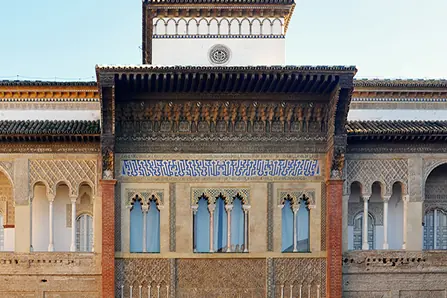
Also known as the Mudéjar Palace, it was built by order of Peter I between 1356 and 1366 next to Alfonso X’s Gothic Palace, by craftsmen from Toledo, Granada and Seville itself.
It was later transformed under the Catholic Monarchs and the early Habsburgs. It began as the king’s private building, and he used Arabic inscriptions to extol his virtues: from the 14th century the Castilian monarchs stopped copying European trends and drew inspiration from Andalusi models instead, which is why the palace contains various inscriptions in Arabic.
Two courtyards: official and private life
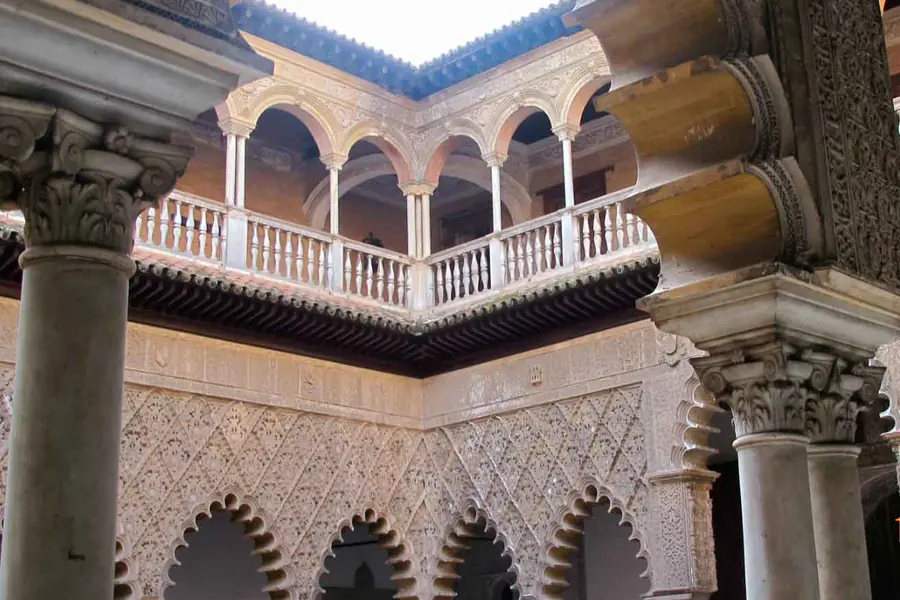
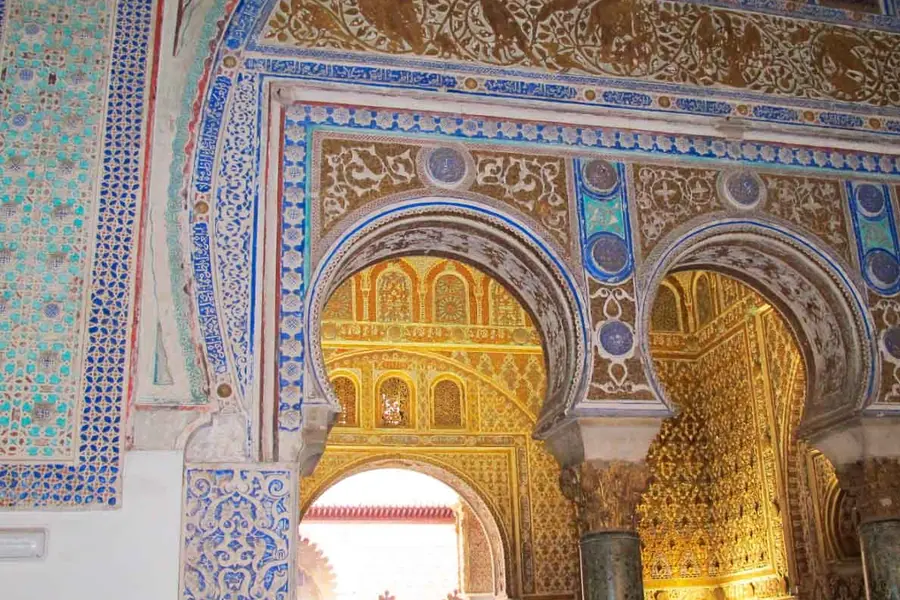
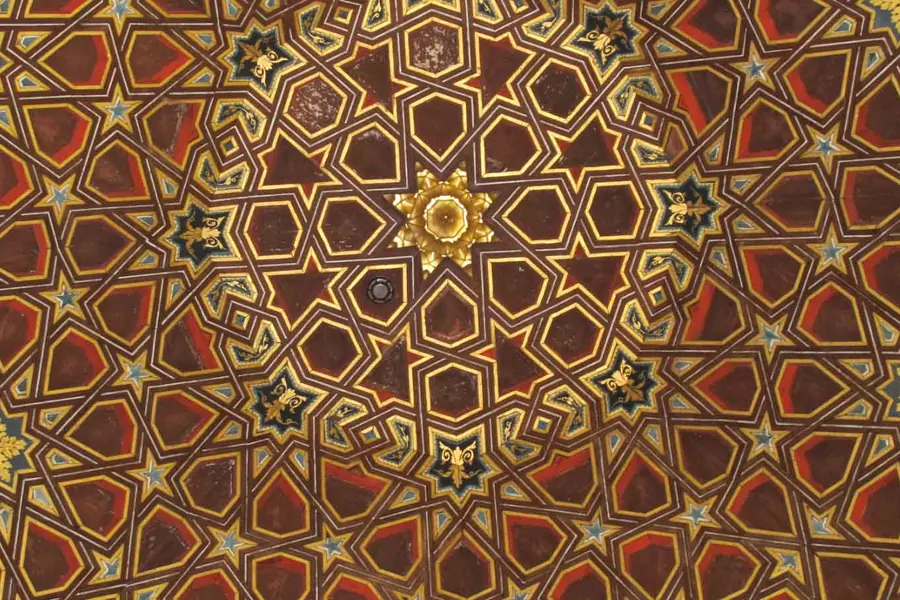
The interior is organised around two centres: official life, around the Patio de las Doncellas (Courtyard of the Maidens), and private life, around the Patio de las Muñecas (Courtyard of the Dolls). Through galleries and rooms decorated with tiles and Mudéjar ceilings you pass from the vestibule to the Patio de las Doncellas, the main courtyard and a masterpiece of Andalusian Mudéjar art.
From the courtyard entrance, the Royal Bedchamber is on the right, the Salón de Embajadores (Hall of the Ambassadors) straight ahead and the Salón del Techo de Carlos V on the left. The royal apartments, redecorated in the 18th century, are on the upper floor; this floor does not extend over the whole palace, only over some of its rooms.